
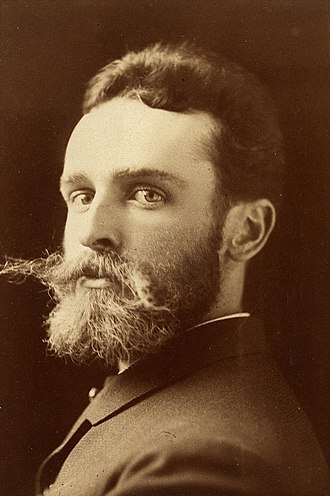
John White Alexander (1856–1915) was a leading figure in American art during the Gilded Age and the Fin de Siècle. Born in Pennsylvania and orphaned at a young age, he rose from a telegraph boy to a celebrated master after training in Munich and Venice alongside Frank Duveneck and James McNeill Whistler. Known for his work in the Symbolist and Art Nouveau styles, Alexander became famous for his "aesthetic" portraits of women, where the flowing lines of their gowns and the graceful curves of their poses took precedence over traditional realism. His most iconic work, "The Pot of Basil," and his murals for the Library of Congress, showcase his signature use of low-key lighting and long, sweeping brushstrokes. Translating an Alexander painting into a counted cross stitch design offers a sophisticated experience in rendering monochromatic harmonies and elegant silhouettes. Each stitch captures the ethereal, dreamlike quality of his subjects, turning a canvas of "Art for Art's Sake" into a stunning needlework masterpiece for your home.